Not only vampires go out at night-LUPUS patients do too!
While
these things are true-UV Hypersensitivity is prevalent with Systemic
Lupus Erythematosus - it doesn't have to mean ISOLATION in this day
& age!
With lupus, our bodies aren't just "allergic" to itself
(white blood cells attacking healthy tissue by mistake causing central
nervous system damage, kidney damage, skin damage including hives, solar
urticaria, discoid, pemphigoid, and cutaneous porphyria rashes, lesions
& vasculitis, inflammation around the heart-pericarditis, around
the lungs-pleurisy, blood disorders (clotting issues and anemia), nerve
damage and a myriad of other symptoms and conditions. So what do you
do? You manage. You CONFORM!
I can tell you what I do-
My
windows have double black-out drapes. I go out mostly at night only.
After many years of neutragena helioplex 360 and 120 proof
sunscreen-rashes and lupus flares anyway-I discovered the true way to be
less sick is to just plain STAY INSIDE. In the dark. No UV lights, no
sun at all. Is it isolating? I don't think so thanks to modern
technology-but that's me-it's all in how you see it.
"Housebound is no worse than earthbound it's what you make of it."
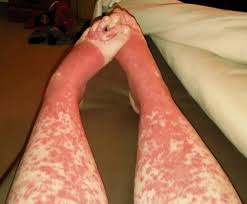
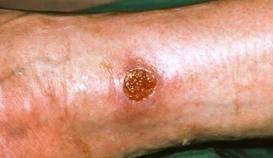
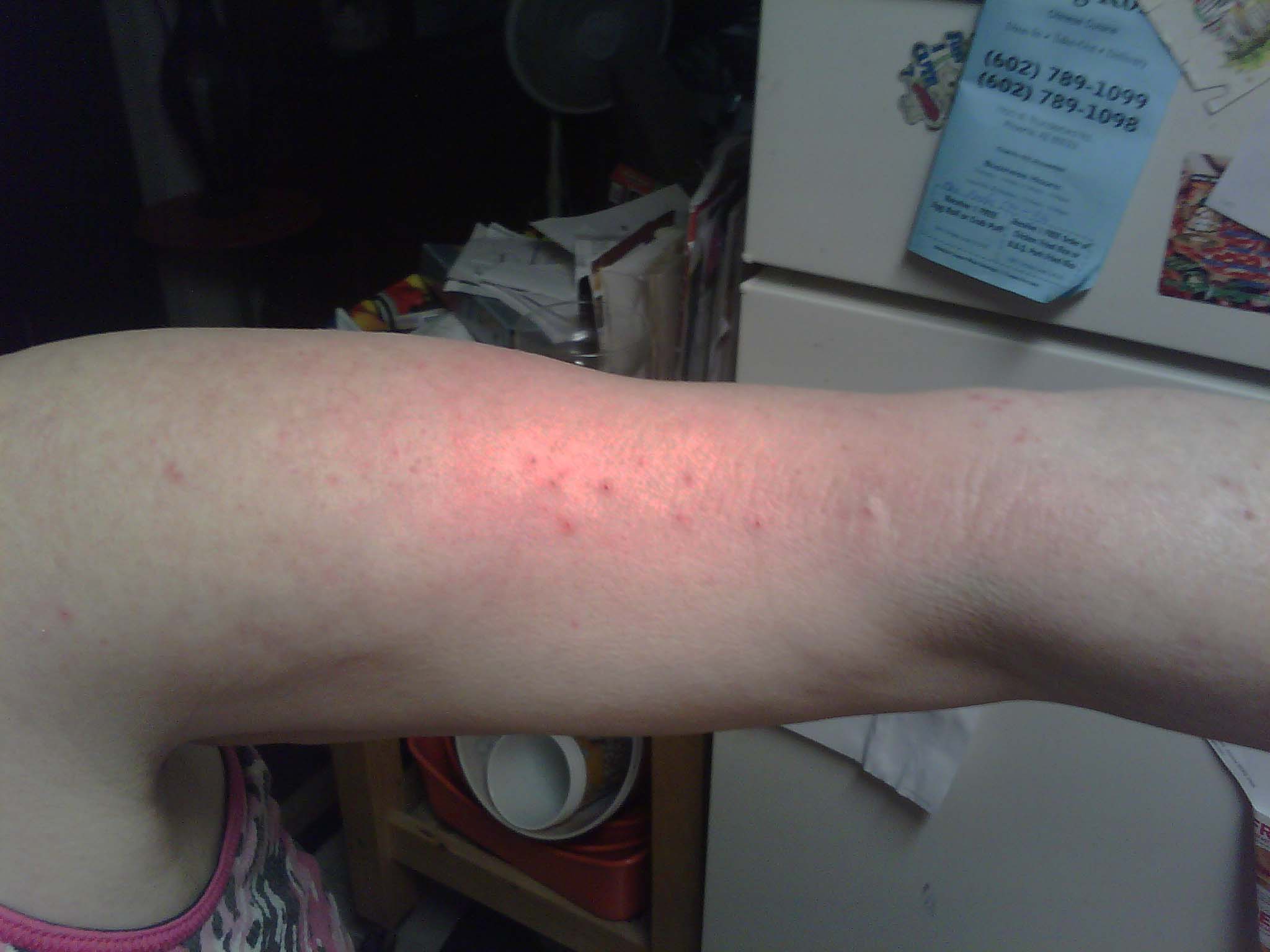
Here's some of my rashes from UV-if you had these I'm sure you'd come to the same conclusion!


That would drive ya inside-yes? LOL..And my point? It doesn't have to BE isolating or feel isolating..
The
internet has given us many advances-immediate chat, visuals like skype,
and the ability to find info, give info, and reach out without having
to take one step outside into that debilitating sun. I can watch my
son's chorus concert from bed, talk to people on the other side of the
world-make appointments, talk to doctors and do relatively anything but
reach out and touch someone! So isolating? No-it's the opposite for
people like me!!! It's FREEING! And I'm thankful for it everyday!
Even after a small TIA June 2012-I was relatively a "head in a bed"
while I recouped...but I was happy and I was anything but bored or
isolated! So again-Housebound is what you make of it! Is a wheelchair a
good or a bad thing? Ask someone who is in one? It's a great thing!
It's mobility! Just a different way-and so what!
On a personal
note - I enjoy watching reality shows-specifically shows about
Alaska-the last frontier. Why- I wonder? Because we LUPUS patients
share something with these people-we are isolated. We are literally in
the dark most of the time. Plus of course-they are exciting! There's
gold miners, hunters, and people who are solely responsible for their
own food and water sources-and live in the most extreme of
circumstances. And they succeed. They flourish. They give us HOPE.
They tell us that life is precious-and to be lived- There is a woman
you might have all seen-Susan Aikens on a National Geographic show
called "Life Below Zero", who owns and manages a remote fueling station
near the Arctic Circle-she is alone 8 months of the year. She is the
strongest, toughest woman I have ever seen. She was attacked by a bear,
left for dead, sewed up her own head, hunts for food and braves
temperatures so freezing- she doesn't just persevere-she flourishes. I
designed the pic of Sue & Alaska to say Thank You for the
Inspiration!

Pic of Susan Aikens from "Life Below Zero" on National Geographic channel
Susan
said that she knows due to her remoteness and the difficulty especially
in winter for planes and helicopters to reach her that she and people
like her understand that if something happens, if they get hurt-that
there is always the chance that noone will come and they will die out
there. People with chronic illness know the same fear. It is freeing
to accept what might happen-what could happen-it takes the fear out of
it! Still-I think Susan has another message-one she might not even
realize-
When Susan Aikens was asked why she is alright to stay
out there in remote Alaska alone and be isolated so much of the year-she
said it is because when she was little all she wanted to be was a
lighthouse keeper. Well-she IS a lighthouse keeper. She's a beacon of
what life without fear means for those with chronic illness. She's an
inspiration.
"We are told to let our
light shine, and if it does, we won't need to tell anybody it does.
Lighthouses don't fire cannons to call attention to their shining- they
just shine"., Dwight L Moody
from Wiki on Solar Urticaria:
Solar urticaria (SU) is a rare condition in which exposure to ultraviolet or
UV radiation, or sometimes even
visible light, induces a case of
urticaria or hives that can appear in both covered and uncovered areas of the skin.
[1][2] It is classified as a type of
physical urticaria.
[3]
The classification of disease types is somewhat controversial. One
classification system distinguished various types of SU based on the
wavelength of the radiation that causes the breakout; another classification system is based on the type of
allergen that initiates a breakout.
[4][5]
The agent in the human body responsible for the reaction to radiation, known as the photoallergen, has not yet been identified.
[6]
The disease itself can be difficult to diagnose properly because it is
so similar to other dermatological disorders, such as polymorphic light
eruption or
PMLE.
[7]
The most helpful test is a diagnostic phototest, a specialized test
which confirms the presence of an abnormal sunburn reaction. Once
recognized, treatment of the disease commonly involves the
administration of
antihistamines, and
desensitization treatments such as
phototherapy.
[1] In more extreme cases, the use of
immunosuppressive drugs and even
plasmapheresis may be considered.
[8]
The
initial discovery of the disease is credited to P. Merklen in 1904, but
it did not have a name until the suggestion of "solar urticaria" was
given by Duke in 1923.
[6][9]
However, their research contributed to the study of this uncommon
disease. More than one hundred cases have been reported in the past
century.
[10]
from the Lupus Foundation of America on Lupus Rashes:
Approximately
two-thirds of people with lupus will develop some type of skin disease,
called cutaneous lupus erythematosus. Skin disease in lupus can cause
rashes or sores (lesions), most of which will appear on sun-exposed
areas such as the face, ears, neck, arms, and legs.
40-70
percent of people with lupus will find that their disease is made worse
by exposure to ultraviolet (UV) rays from sunlight or artificial light.
A
dermatologist, a physician who specializes in caring for the skin,
should treat lupus skin rashes and lesions. He or she will usually
examine tissue under a microscope to determine whether a lesion or rash
is due to cutaneous lupus: taking the tissue sample is called a biopsy.
The Forms of Cutaneous Lupus
Lupus skin disease can occur in one of three forms:
- Chronic cutaneous (discoid) lupus
- Subacute cutaneous lupus
- Acute cutaneous lupus.
Chronic cutaneous lupus (discoid lupus) appears
as disk-shaped, round lesions. The sores usually appear on the scalp
and face but sometimes they will occur on other parts of the body as
well.
Approximately 10 percent of people with discoid
lupus later develop lupus in other organ systems, but these people
probably already had systemic lupus with the skin rash as the first
symptom.
Discoid lupus lesions are often red, scaly,
and thick. Usually they do not hurt or itch. Over time, these lesions
can produce scarring and skin discoloration (darkly colored and/or
lightly colored areas). Discoid lesions that occur on the scalp may
cause the hair to fall out. If the lesions form scars when they heal,
the hair loss may be permanent.
Cancer can develop in discoid
lesions that have existed for a long time. It’s important to speak with
your doctor about any changes in the appearance of these lesions.
Discoid lupus lesions can be very photosensitive so preventive measures are important:
- Avoid being out in the sunlight between the hours of 10 a.m. and 4 p.m.
- Use plenty of sunscreen when you are outdoors
- Wear sun-protective clothing and broad-brimmed hats
- Limit the amount of time spent under indoor fluorescent lights
Subacute cutaneous lesions
may appear as areas of red scaly skin with distinct edges or as red,
ring-shaped lesions. The lesions occur most commonly on the sun-exposed
areas of the arms, shoulders, neck, and body. The lesions usually do not
itch or scar, but they can become discolored. Subacute cutaneous
lesions are also photosensitive so preventive measures should be taken
when spending time outdoors or under fluorescent lights.
Acute cutaneous lupus
lesions occur when your systemic lupus is active. The most typical form
of acute cutaneous lupus is a malar rash–flattened areas of red skin on
the face that resemble a sunburn. When the rash appears on both cheeks
and across the bridge of the nose in the shape of a butterfly, it is
known as the "butterfly rash." However, the rash can also appear on
arms, legs, and body. These lesions tend to be very photosensitive. They
typically do not produce scarring, although changes in skin color may
occur.
Other Skin Problems
There are several other conditions that can occur with lupus:
Calcinosis
is caused by a buildup of calcium deposits under the skin. These
deposits can be painful, and may leak a white liquid. Calcinosis can
develop from a reaction to steroid injections or as a result of kidney
failure.
Cutaneous vasculitis lesions occur when
inflammation damages the blood vessels in the skin. The lesions
typically appear as small, red-purple spots and bumps on the lower legs;
occasionally, larger knots (nodules) and ulcers can develop. Vasculitis
lesions can also appear in the form of raised sores or as small red or
purple lines or spots in the fingernail folds or on the tips of the
fingers. In some cases, cutaneous vasculitis can result in significant
damage to skin tissue. Areas of dead skin can appear as sores or small
black spots at the ends of the fingers or around the fingernails and
toes, causing gangrene (death of soft tissues due to loss of blood
supply).
Hair loss can occur for other reasons
besides scarring on the scalp. Severe systemic lupus may cause a
temporary pattern of hair loss that is then replaced by new hair growth.
A severe lupus flare can result in fragile hair that breaks easily.
Such broken hairs at the edge of the scalp give a characteristic ragged
appearance termed "lupus hair."
Raynaud’s phenomenon
is a condition in which the blood vessels in the hands and/or feet go
into spasm, causing restricted blood flow. Lupus-related Raynaud’s
usually results from inflammation of nerves or blood vessels and most
often happens in cold temperatures, causing the tips of the fingers or
toes to turn red, white, or blue. Pain, numbness, or tingling may also
occur. People with Raynaud’s phenomenon should try to avoid cold
conditions, and, if necessary, should wear gloves or mittens and thick
socks when in an air-conditioned area.
Livedo reticularis and
palmar erythema
are caused by abnormal rates of blood flow through the capillaries and
small arteries. A bluish, lacelike mottling will appear beneath the
skin, especially on the legs, giving a "fishnet" appearance. Like
Raynaud’s phenomenon, these conditions tend to be worse in cold weather.
Mucosal ulcerations
are sores in the mouth or nose or, less often, in lining of vaginal
tissue. These ulcers can be caused by both cutaneous lupus and systemic
lupus. It is important to differentiate lupus ulcers from herpes lesions
or cold sores, which may be brought on by the use of immunosuppressive
drugs. Lupus ulcers are usually painless and signs of inflammation will
show up in the biopsy.
Petechiae (pah-TEE-kee-eye)
are tiny red spots on the skin, especially on the lower legs, that
result from low numbers of platelet in the blood, a condition called
thrombocytopenia. Although thrombocytopenia is common in lupus, serious
bleeding as a result of the low number of platelets usually does not
occur.
Treating Cutaneous Lupus
The
medications used to treat lupus-related skin conditions depends on the
form of cutaneous lupus. The most common treatments are topical
ointments, such as steroid cream or gel. In some cases liquid steroids
will be injected directly into the lesions.
A new class of drugs,
called topical immunomodulators, can treat serious skin conditions
without the side effects found in corticosteroids: tacrolimus ointment
(Protopic®) and pimecrolimus cream (Elidel®) have been shown to suppress
the activity of the immune system in the skin, including the butterfly
rash, subacute cutaneous lupus, and possibly even discoid lupus lesions.
In
addition, thalidomide (Thalomid®) has been increasingly accepted as a
treatment for the types of lupus that affect the skin; it has been shown
to greatly improve cutaneous lupus that has not responded to other
treatments.
Preventative Treatments
- Avoidance/protection from sunlight and artificial ultraviolet light
- Seek shade
- Sunscreens -- physical and chemical
Local/Topical Treatments
- Corticosteroid creams, ointments, gels, solutions, lotions, sprays, foams
- Calcineurin inhibitors
- tacrolimus ointment (Protopic®)
- pimecrolimus cream (Elidel®)
Systemic Treatments for Mild to Moderate Disease
- Corticosteroids -- short term
- Antimalarials
- hydroxychloroquine (Plaquenil®)
- chloroquine (Aralen®)
- quinacrine (available from compounding pharmacies only)
- Retinoids
- synthetic forms of vitamin A—isotretinoin (Accutane®), acitretin (Soriatane®)
- diaminodiphenylsulfone (Dapsone®)
- Sulfones
Systemic Treatments for Severe Disease
- Corticosteroids -- long term
- Gold
- oral—auronofin (Ridura®)
- intramuscular—gold sodium thiomaleate (Myochrisine®)
- Thalidomide (Thalomid®)
- Methotrexate
- Azathioprine (Imuran®)
- Mycophenolate mofetil (CellCept®)
- Biologics
- efalizumab (Raptiva®)
It should be noted that most of the above treatments are not approved by the Food and Drug Administration for cutaneous lupus.
The Lupus Foundation of America would like to thank Richard Sontheimer, MD, for this information.
Medically reviewed on July 12, 2013