Showing posts with label trigeminal neuralgia. Show all posts

Friday, April 5, 2013

The NERVE of LUPUS!

LUPUS Neuropathies, I’ve wondered what IS the cause? Is it destruction to the myelin sheath? Is it the same as in diabetic neuropathy? Is it from inflammation in blood vessels or nerves or both?

Try asking a doctor that question..lupies-ask your rheumatologists..they are not quick to “go there”, although statistics are that 20% of all patients with systemic lupus (SLE) have neuropathy and of those 20% , only 4% have cranial neuropathies. I’d be hip to hearing YOUR stories and responses from your rheumatologists on the subject, so feel free to comment!

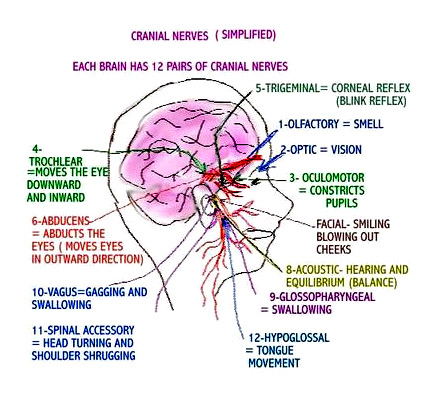
Those statistics IMO are right on the money! I’ve met many patients with lupus online, and about a quarter of them have neuropathy and out of those in the 3 years I’ve been online hanging out in support groups, I have met just about one dozen of us with lupus and trigeminal neuralgia, geniculate neuralgia, temporal arteritis, etc. I try to share information I find on medical sites at my other site here: http://lupuscranialneuropathies.blogspot.com/ .

Here is a good explanation of the process from Lupus International:


A variety of pathological processes may be involved in CNS lupus. The blood supply to a particular part of the brain can be disrupted due to autoimmune vasculitis (blood vessel inflammation), or clots formed as a result of antiphospholipid antibodies, or emboli that travel from a cardiac source. In some lupus patients, the thickness of their blood is increased causing hyperviscosity and this may disrupt blood flow. Anti-neuronal antibodies also may be produced in some lupus patients; these can have direct effects on the cells of the brain (neurons) and alter their function. The choroid plexus, a part of the brain that is the source of cerebrospinal fluid (CSF- a fluid bathing brain and spinal cord) may be involved thus causing diffuse problems. Several cytokines such as interleukin-1, interleukin-6 and interferon-γ are increased in CNS lupus and these have a direct effect on the neurons and can interfere with their function. Abnormalities of the hormones produced in the hypothalamus, pituitary and adrenal glands (the HPA axis) are common in lupus due to the disease itself as well as the effects of steroids and these abnormalities can cause some of the CNS disturbances lupus.


In addition, a number of secondary factors lead to the manifestations of CNS lupus such as infection (lupus patients are more prone to certain types of infections), medications (several drugs such as corticosteroids have significant CNS toxicity), hypertension, electrolyte imbalances, uremia (renal failure), thyroid disease, atherosclerotic strokes, and subdural hematomas. The concomitant presence of fibromyalgia in lupus patients is associated with an increase in functional neurological problems such as anxiety and cognitive dysfunction.

I have both peripheral and cranial (brainstem) neuropathies with myoclonic seizures. I take anti-seizure meds (tegretol) that help control them. Trigeminal neuralgia is considered to be the most painful condition known to man. There is no cure for nerve damage.

The LFA has some of the best information on lupus and neuropathy. From http://www.lfa.org:
The Nervous System

Lupus is an autoimmune disease that can affect almost any part of your body, including your joints, skin, kidneys, heart, lungs, or blood. Lupus can also affect the nervous system and brain. There are several terms doctors use to describe this: neuropsychiatric lupus (NP-SLE), neurocognitive dysfunction, or central nervous system lupus (CNS lupus). Your nervous system has three parts, any of which may be affected by lupus.
The central nervous system (CNS) consists of the brain and the spinal cord.
The peripheral nervous system (PNS) is a network of nerves that connects the brain and spinal cord to the rest of the body, and gives skin and muscles the signals needed for sensation and movement.
The autonomic nervous system (ANS) allows communication between spinal and peripheral nerves and the brain and internal organs, and controls functions like breathing, blood flow, and heart rate.

People with lupus can experience a number of complications when their nervous system is affected. The symptoms may come on suddenly or may come and go, but they will vary depending upon the location and extent of the tissue injury. These symptoms also can be present in other diseases, so diagnosing lupus-related nervous system disorders is often difficult.

Neurologists are the physicians who specialize in the nervous system. They may rely on a number of diagnostic tools to determine whether lupus is involved in your cognitive problems:
x-rays
brain scans (magnetic resonance imaging (MRI) and computed tomography (CT)
electroencephalograms (to capture the electrical pattern of brain activity)
spinal tap (to examine fluid in the spinal column)

Behavioral and cognitive tests may also be done to find out if your memory or other mental abilities have been affected.

Depending on the symptoms, a variety of medications are available to treat lupus-related nervous system disorders, including non-steroidal anti-inflammatory drugs, antimalarials, and steroids. Your response to treatment may be rapid or gradual over several months. For many people with lupus, nervous system involvement is completely reversible.
Central Nervous System (CNS)

When lupus affects your central nervous system, many symptoms may occur, including:
headaches
confusion
fatigue
depression
seizures
strokes
vision problems
mood swings
difficulty concentrating

Drugs used to treat lupus can cause side effects that are similar to the symptoms of CNS lupus. If you have symptoms of CNS lupus you should consult a neurologist who can determine which symptoms are side effects of medication and which are due to lupus. The drugs most known for causing symptoms like those of CNS lupus are:
Non-steroidal anti-inflammatory drugs (NSAIDs) – may cause headache, dizziness, confusion, and in rare instances, meningitis-like symptoms
Antimalarials – in very high doses (not usually given for lupus) may cause manic behavior, seizures, psychosis
Corticosteroids – may cause agitation, confusion, mood swings, psychosis, depression
Anti-hypertensive medications – may cause depression or loss of sex drive

A serious form of lupus called CNS vasculitis may occur when there is inflammation of the blood vessels of the brain. Characterized by high fevers, seizures, psychosis, and meningitis-like stiffness of the neck, CNS vasculitis is the most dangerous form of lupus involving the nervous system and usually requires hospitalization and high doses of corticosteroids to suppress the inflammation.
Peripheral Nervous System (PNS)

The nerves of your peripheral nervous system control your motor responses and sensation, so symptoms of numbness or tingling, or inability to move a part of your body, may be the result of lupus affecting these nerves. Known as peripheral neuropathies, symptoms of PNS nerve damage are caused by inflammation of the nerves or by compression of the nerves due to swelling in the tissue around them. The types of symptoms you might experience include:
vision problems
facial pain
ringing in the ears
dizziness
drooping of an eyelid
carpel tunnel syndrome
Autonomic Nervous System (ANS)

The autonomic nervous system regulates many of your body’s functions that happen almost automatically: heart rate, blood pressure, feeling hot or cold, bladder and bowel functions, release of adrenalin, breathing, sweating, and muscle movement. Lupus can cause these nerve signals to be overactive, which can lead to a wide range of symptoms:
numbness
burning
tingling
mental confusion
headaches
gastrointestinal problems such as nausea, vomiting, constipation, or diarrhea

Raynaud’s phenomenon

Raynaud’s phenomenon is a condition of ANS involvement caused by inflammation of nerves or blood vessels. Blood vessels in your hands and feet go into spasm and restrict blood flow, usually as a reaction to cold temperatures, with the tips of the fingers or toes turning red, white, or blue. Raynaud’s can also cause pain, numbness, or tingling in fingers and/or toes. People who have Raynaud’s phenomenon are advised to avoid cold conditions when possible, and may have to wear gloves or mittens when in air-conditioned surroundings.

Livedo reticularis and palmar erythema are two other skin disorders that may affect you if you have autonomic nerve damage. Both of these conditions can cause a bluish, lacelike mottling under your skin, especially on your legs, giving your skin a “fishnet” look.

Cognitive Dysfunction

As many as half of all people with lupus describe feelings of confusion, fatigue, memory loss, and difficulty expressing their thoughts. This collection of symptoms is termed cognitive dysfunction, although many people call it “lupus fog.”

Cognitive dysfunction most often affects people with mild to moderately active lupus. The causes of these symptoms, and the reasons that the symptoms tend to come and go, are not known. Living with cognitive dysfunction can be very frustrating. However, you can learn to improve your concentration and lessen confusion and memory loss with a variety of coping skills, including puzzles, games, biofeedback, using a daily appointment calendar, and balancing daily activities to reduce stress.

Lupus Headache

Compared with the general population, people with lupus may be twice as likely to experience migraine-like lupus headaches, commonly known as lupus headaches. The features of lupus headaches are similar to migraines and may be seen more often in people who also have Raynaud’s phenomenon. However, headaches can also be caused by vasculitis, a symptom of active lupus due to inflammation of the blood vessels. If you are experiencing headaches that are not improved by an over-the-counter headache medication, be sure to tell your doctor.

Saturday, December 22, 2012

Trigeminal Neuralgia Gone Wild and New Neurologist Findings

That says it all.  The occipital neuralgia on the side of my head has turned from numbness to pain, and in turn, my TN has gone full force on my right side now.

Interesting to note here that my new neurologist says my peripheral neuropathy is GONE!!!!  WTH?  Gone?  Gone?  Gone where, lol?

Gone to nerve compression syndromes systemwide!  He dx'd me with carpal tunnel in my right hand, tarpal tunnel in my left foot and ulnar neuropathy in both arms.  Oh yeah....good one!  LOL  I'm being sent to physical therapy in a couple days to teach me how to squeeze a ball the right way I guess.  Did I mention that in my sacroilitis xrays there was an incidental finding of a 5mm vertebrae slip?  Oh boy, with the TN out believe you me, I'm not feeling the pain from anywhere else but my FACE and JAW and the constant ice pick in my ear right now.  Being sent for PT for THAT too eventually..this doc takes a little longer to get going, lol.  Neuro wants to dump me as fast as possible...haha

On the bright side, at least I hope its bright...my neuro is sending me to a new orthopedic / neuro surgeon for my cervical spine impingement and neural problems.  Interesting and hopeful.  This time I'm bringing hubbie for support..I'm so sick and tired of incompetence...just blown away with it that I need help.

It's been guessed at that the nerve compressions are coming from inflammation in the blood vessels, which would account I suppose for the high platelets and wbc's, the low rbc's and the immune complex interference in my blood labs for ANA's.  Wish I knew folks, wish I knew.  I'm on 60mg of prednisone now for this flare and doubled my cellcept to 2000mg a day and up to 1000 mg a day of tegretol (an anti seizure med) for the Trigeminal and geniculate and occipital neuralgia plaguing me.  My pain is about a constant 4 or 5 with bouts of extremeness at about an 8 that last anywhere from a few minutes to an hour of HORROR-IFIC pain.

Feel like some brain fog is back, but then its the holidays and lots to do and lots of loss of sleep could be part of it..btw, if your reading this: Happy Holidays!  Much love and luck and health...Gentle HUGS... Julie

ps: here's some info on vasculitis and arteritis and nerve compressions:
From www.healthblurbs.com:

Vasculitis Blood Vessels Inflammation Causes Systemic, Organ Symptoms for Medication Treatment

Vasculitis is a condition wherein your blood vessels become inflamed, making it difficult, sometimes impossible, for life sustaining blood to make it through. This inflammation is caused by your immune system erroneously attacking its own arteries, veins and capillaries.
Undoubtedly, this type of attack can lead to some very serious health complications.
There are two classifications of symptoms you may experience with vasculitis, those affecting you generally (systemic) and those affecting a specific organ or body system. Common systemic signs indicative of body wide blood vessel inflammation include:
Symptoms for organ or system attacks on vessels causing their inflammation:
Although the cause for systemic or organ vasculitis is ofttimes unknown, it sometimes is:
Most cases of vasculitis are treated with prescription medications in an effort to put the brakes on your immune systems inflammatory responses. The two typical drugs used as treatment for inflamed blood vessels are:
There are many disorders classified as types of vasculitis, differing in terms of population and which organs affected, like:
The future for those suffering from vasculitis varies greatly. Treatment is often effective if diagnosed early and your “out of control immune response” tackled with medication quickly.
Vasculitis may disappear, go into periods of remission or be chronic. In some severe cases, it can lead to disability or death.
As for now, there is no evidence supporting a specific diet to combat an immune system gone wild. However, as with most health issues, following a healthy diet plan and regular exercise is encouraged.

AND on nerve compressions and arteritis or vasculitis:
Medicine.net link to nerve compression info:  http://www.medicinenet.com/pinched_nerve/article.htm
and on vasculitis causing nerve compressions from the National Institute of Neurological Disorders and Strokes:

Vasculitis Syndromes of the Central and Peripheral Nervous Systems Fact Sheet


What is vasculitis?


Vasculitis is an inflammation of blood vessels, which includes the veins, arteries, and capillaries. Depending on the type, vasculitis can affect blood vessels of any type, size, or location. Inflammation occurs with infection or is thought to be due to a faulty immune system response. Dysfunction may occur due to the inflammation itself or over time as the blood vessel walls swell, harden, thicken, and develop scar tissue. This narrows the passage through which blood can flow. As the condition progresses, it can slow or completely stop the normal flow of blood.

How does vasculitis affect the nervous system?


Vasculitis can cause problems in any organ system, including the central (CNS) and peripheral (PNS) nervous systems. Vasculitic disorders, or syndromes, of the CNS and PNS are characterized by the presence of inflammatory cells in and around blood vessels, and secondary narrowing or blockage of the blood vessels that nourish the brain, spinal cord, or peripheral nerves. Any type or size of blood vessel may be involved—arteries, arterioles, veins, venules, or capillaries.

What are the symptoms?


Avasculitis syndrome may begin suddenlyor develop over time. Symptoms include:
  • headaches, especially a headache that doesn’t go away
  • fever
  • malaise (feeling out-of-sorts)
  • rapid weight loss
  • confusion or forgetfulness leading to dementia
  • aches and pains in the joints and muscles
  • pain while chewing or swallowing
  • paralysis or numbness, usually in the arms or legs
  • visual disturbances, such as double vision, blurred vision, or blindness
  • seizures, convulsions
  • stroke or transient ischemic attack (TIA, sometimes also called a “mini-stroke”)
  • unusual rashes or skin discoloration
  • problems with the kidneys or other organs

How are these syndromes diagnosed?


A doctor who suspects CNS or PNS vasculitis will gather a comprehensive medical history of the individual, perform a physical examination, order laboratory tests (primarily blood tests), and recommend any other tests that seem appropriate. Electromyography and nerve conduction studies identify blocks and loss of nerve supply to muscle due to vasculitic nerve damage.
Diagnostic imaging of the brain blood vessels such as magnetic resonance or computed tomography angiograms can sometimes identify narrowing in the larger blood vessels. Direct injection of a contrast dye into brain blood vessels may be needed to look for narrowings consistent with vasculitis in medium-sized brain arteries. 
However, the diagnosis of vasculitis often requires evidence that there is ongoing inflammation. Inflammatory cells may be found in the spinal fluid. Often there is a need to conduct a tissue biopsy to examine blood vessels under a microscope. In some cases a brain biopsy may be necessary to evaluate the compromised tissue. A definitive diagnosis is important because the treatment usually requires powerful immune-suppressive drugs. In addition, it is important to make sure that an infection is not causing the inflammation.

What are some of these syndromes called and how are they treated?


The diagnosis of a CNS or PNS vasculitis disorder will depend upon the number of blood vessels involved, their size, and their location in the CNS or PNS as well as the types of organs involved. Although these disorders are rare, there are many of them. Some of the better understood syndromes are:
Temporal arteritis (also called giant cell arteritis or cranial arteritis)Temporal arteritis is a common chronic inflammatory disease of large blood vessels occurring primarily in people 50 and older. It most often involves narrowing and sometimes blockage of the arteries that bring blood to the brain. Doctors will diagnose temporal arteritis if at least three of the following symptoms are present:
  • new, severe headache
  • visual disturbances
  • pain in the jaw or tongue when chewing or swallowing
  • tenderness in the temporal arteries (the arteries that run across the temples on either side of the head) or the scalp 
Fever, weight loss, and neck or muscle pain can occur, usually in the early phase of the disease. Individuals may also have arthritis; carpal tunnel syndrome; fatigue; and weakness, paralysis, or numbness in isolated muscles. The disease is usually limited to one to two years and is rarely fatal. 
Abrupt but reversible blindness is the most dramatic complication of temporal arteritis. About one in ten individuals with temporal arteritis will develop blindness in one eye, preceded by visual disturbances.Once one eye is affected, three out of four individuals will go on to lose vision in the other eye, most in two weeks or less. 
The main goal of treatment for temporal arteritis is to prevent blindness. Most individuals respond well to steroid drugs, such as prednisone and methylprednisolone, but they must be given promptly and carefully monitored. Long-term use of steroids can cause harmful side effects, such as collapsing vertebrae, muscle pain, diabetes, cataracts, and infection.
Primary angiitis of the CNS (granulomatous angiitis)The symptoms of this rare disorder develop slowly. Symptoms include headache and encephalopathy-like symptoms such as dementia and tremor. Stroke, TIA, and seizures can occur. Definitive diagnosis may require brain biopsy. Treatment includes steroid and immunosuppressive drugs, such as prednisolone and cyclophosphamide. It is fatal if left untreated.
Takayasu’s diseaseThis disease affects large arteries such as the aorta, which brings blood to the arms, legs, and head. It primarily strikes individuals of Asian descent and predominantly affects females under the age of 40. The main symptoms are fainting and visual disturbances and it may also cause stroke. Although the disorder is serious, the prognosis is positive: more than 90 percent of those diagnosed with Takayasu’s disease survive beyond a decade after diagnosis. Steroid drugs are used in the early phase of the disease, but some individuals become steroid-resistant and have to switch to cyclophosphamide or low-dose methotrexate.
Periarteritis nodosaThe onset of this rare and serious disease is generally between the ages of 40 and 50, but it can occur at any age. Men are three times more likely to develop the disease than women. Symptoms can mimic those of many other diseases, but the most common initial complaints are fever, abdominal pain, numbness or pain in the legs and limbs, weakness, and unexplained weight loss. As the disease progresses, the kidneys may fail and high blood pressure may develop rapidly. Certain drugs (for example, those in the sulfa family), vaccines, bacterial infections, and viral infections have been associated with the onset of the disease. Damage to the PNS with neuropathy is more common than damage to the CNS, but if the disease does involve the CNS, damage to brain and spinal cord tissue can occur. 
The disease is treated aggressively with high doses of steroids and immunosuppressive drugs such as cyclophosphamide. Eighty percent of individuals who receive appropriate treatment are alive five years later. Untreated disease is often fatal, ending in heart failure, kidney failure, or failure of other vital organs.

Are there additional vasculitis disorders that can cause neurological symptoms?


Other vasculitis syndromes include Kawasaki disease, which can cause stroke or encephalopathy in children; Churg-
Strauss syndrome; Wegener’s granulomatosis; systemic lupus erythematosis; scleroderma; rheumatoid arthritis; Sjogren’s syndrome; and Behcet’s disease.

What research is being done to better understand these syndromes?


The National Institute of Neurological Disorders and Stroke (NINDS), a component of the National Institutes of Health (NIH), and other NIH institutes conduct research relating to vasculitis syndromes in laboratories at the NIH and also support vasculitis research through grants to major medical institutions across the country.
The NINDS supports The Vasculitis Clinical Research Consortium (VCRC), a network of academic medical centers, patient support organizations, and clinical research resources dedicated to conducting clinical research and improving the care of individuals with vasculitis, including Wegener’s granulomatosis, microscopic polyangiitis, Churg-Strauss syndrome, polyarteritis nodosa, Takayasu’s arteritis, and temporal arteritis. The medical centers are located at Boston University School of Medicine, Cleveland Clinic Foundation, The Johns Hopkins Vasculitis Center, and Mayo Clinic College of Medicine. The Consortium’s internet site provides information about clinical research and clinical trial opportunities and helps individuals connect with expert doctors and patient support groups.

 Where can I get more information?For more information on neurological disorders or research programs funded by the National Institute of Neurological Disorders and Stroke, contact the Institute's Brain Resources and Information Network (BRAIN) at:
BRAIN
P.O. Box 5801
Bethesda, MD 20824
(800) 352-9424
http://www.ninds.nih.gov
Information also is available from the following organizations:
American Autoimmune Related Diseases Association
22100 Gratiot Avenue
Eastpointe, MI   48021-2227
aarda@aarda.org
http://www.aarda.org External link
Tel: 586-776-3900 800-598-4668
Fax: 586-776-3903
National Organization for Rare Disorders (NORD)
55 Kenosia Avenue
Danbury, CT   06810
orphan@rarediseases.org
http://www.rarediseases.org External link
Tel: 203-744-0100 Voice Mail 800-999-NORD (6673)
Fax: 203-798-2291
National Eye Institute (NEI)
National Institutes of Health, DHHS
31 Center Drive, Rm. 6A32 MSC 2510
Bethesda, MD   20892-2510
2020@nei.nih.gov
http://www.nei.nih.gov
Tel: 301-496-5248
National Institute of Allergy and Infectious Diseases (NIAID)
National Institutes of Health, DHHS
6610 Rockledge Drive, MSC 6612
Bethesda, MD   20892-6612
http://www.niaid.nih.gov
Tel: 301-496-5717
"Vasculitis Syndromes of the Central and Peripheral Nervous Systems Fact Sheet," NINDS. Publication date July 2011. NIH Publication No. 11-5596
Back to Vasculitis Syndromes of the Central and Peripheral Nervous Systems Information Page

See a list of all NINDS Disorders


Prepared by:
Office of Communications and Public Liaison
National Institute of Neurological Disorders and Stroke
National Institutes of Health
Bethesda, MD 20892


NINDS health-related material is provided for information purposes only and does not necessarily represent endorsement by or an official position of the National Institute of Neurological Disorders and Stroke or any other Federal agency. Advice on the treatment or care of an individual patient should be obtained through consultation with a physician who has examined that patient or is familiar with that patient's medical history.
All NINDS-prepared information is in the public domain and may be freely copied. Credit to the NINDS or the NIH is appreciated.
Last updated February 7, 2012